Conservatory SVG: A Designer’s Honest Review for Real Embroidery Projects
First Impressions: Architectural Elegance in Stitch Form
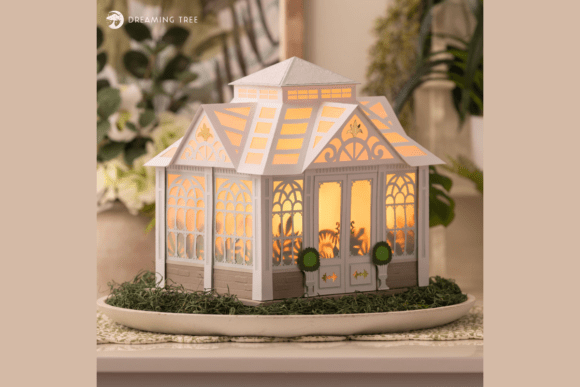
When I first opened the Conservatory SVG file, I was struck by its clean lines and structured elegance. It’s a design that feels like it belongs in a botanical garden sketchbook—delicate yet defined, with a strong architectural presence. The inspiration from classic glass garden houses is unmistakable, and the 3D paper project roots show through in the layered detailing of the windows and framing. This isn’t a whimsical or overly ornate design; it’s refined, with a subtle vintage charm that makes it feel both nostalgic and modern.
Real-World Use: From Concept to Stitched Reality
I decided to test the Conservatory SVG on a custom embroidered tote bag for a client who wanted a boutique-style gift for a garden-themed baby shower. The tote was made from a medium-weight cotton canvas, which held up well to the detail in the design. The windows and framing elements stitched out cleanly, with just the right amount of satin and fill stitch balance to maintain structure without feeling heavy. It scaled well, and even at a smaller size (around 4x4 hoop), the key elements remained recognizable.
Next, I tried it on a sweatshirt for a small batch of personalized gifts. The fabric was thicker, and I used a lightweight cutaway stabilizer to prevent puckering. The result was clean and professional—no distortion around the corners or fine lines. The design held up well to the texture of the knit fabric, which I was initially concerned about. It looked great in both monochrome and color variations, depending on the customer’s preference.
Best Applications: Where Conservatory SVG Shines
This design has a quiet sophistication that makes it versatile across several product types:
- Custom tote bags – Perfect for boutique packaging, gift sets, or event merchandise.
- Sweshirts and hoodies – Adds a touch of elegance to casual wear.
- Baby items – Ideal for nursery-themed gifts like burp cloths, bibs, or wall art.
- Embroidered patches – Could be used as a standalone motif or layered with other elements.
- Pillow covers and tea towels – Works well as a central design or as a corner accent.
- Holiday and wedding gifts – Especially effective for garden-themed events or botanical lovers.
Where to Be Cautious: Fabric, Size, and Detail Limitations
While Conservatory SVG is impressively detailed, there are some practical considerations for real embroidery use:
- Small hoop sizes – The design may lose clarity if scaled too small. Fine window details can blend together in a 3x3 hoop.
- Textured or stretchy fabrics – May distort satin stitch areas. Use proper stabilizer and test first.
- Dark fabrics – Thread color contrast becomes critical. Light-colored threads can get lost on black or navy.
- Curved surfaces like caps – Hooping can be tricky. Consider using a cap frame or adjusting design placement.
- Dense stitch areas – Watch for buildup in window frames. May require thread changes or density adjustments.
Visual Impact: Elevating Your Finished Products
One of the strongest aspects of Conservatory SVG is how it elevates the perceived value of a product. It’s not a trendy design—it’s timeless. That makes it ideal for Etsy sellers and small shop owners who want to build brand consistency and customer trust. When stitched cleanly, it gives a professional finish that looks intentional and curated, not just decorative.
For personalized gifts, this design adds an artistic touch that sets your work apart from mass-produced items. I noticed customers were more engaged when they saw the embroidered tote bags in person—asking about the inspiration, the design itself, and whether it could be customized further.
Practical Designer Notes: What to Test Before Production
Before diving into full production with Conservatory SVG, here are a few practical steps I recommend:
- Test on scrap fabric – Especially if you’re using a new material or working with stretchy/knit fabrics.
- Check thread color contrast – Try a few color variations to see what stands out best on your fabric.
- Review stitch density – Look for areas that might need thinning or reworking for breathability or texture.
- Confirm hoop size compatibility – Make sure the design fits within your machine’s limitations.
- Inspect small details – Zoom in on the digital preview to ensure no fine lines will be lost during stitching.
- Test in black and white mockups – Helps visualize how it will look without color distractions.
- Compare light and dark backgrounds – Some elements may need color tweaks for visibility.
- Use proper stabilizer – Especially for textured or stretchy materials.
- Check licensing – Confirm whether the design can be used for commercial embroidery or digital resale.
Final Thoughts: A Versatile Design for the Thoughtful Maker
As a designer who regularly tests embroidery files for real-world use, I’d say Conservatory SVG is a solid choice for anyone looking to add architectural flair to their work. It’s not overly complex, but it has enough detail to feel special. Whether you’re creating custom apparel, boutique gifts, or handmade home goods, this design can be a quiet standout in your portfolio.
It works especially well for small business owners who want to offer something unique without relying on overly trendy motifs. It’s the kind of design that can be used year-round and across multiple product types—making it a smart addition to your digital embroidery library.