Tea Light Haunted House SVG: Halloween 3D Design for Local Branding
First Impressions: A Festive, Detailed 3D SVG with a Playful Halloween Vibe
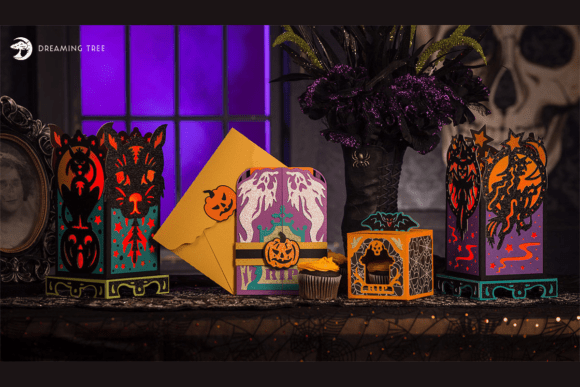
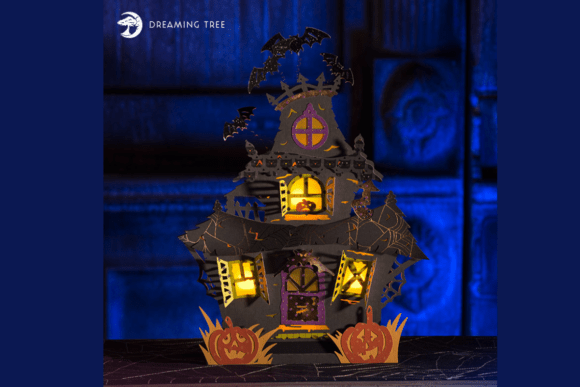
Opening the Tea Light Haunted House SVG file, I was immediately struck by its intricate detailing and clever layering that gives it that 3D paper luminary effect. It’s not just a decorative clipart—it’s a full visual experience. The haunted house design feels both nostalgic and modern, with sharp edges, delicate cutouts, and shadow-casting potential that screams Halloween charm. This isn’t your average seasonal graphic design asset; it’s got personality, and it’s ready to work hard across a range of branding and packaging applications.
From a brand identity standpoint, this SVG leans into a playful, slightly spooky, and very festive personality. It doesn’t scream luxury or minimalism, but rather warmth, creativity, and approachability. Think handmade businesses, boutique shops, seasonal food brands, or local candle makers looking to stand out during the Halloween rush.
Practical Branding Uses for Small Business Owners
As a brand designer evaluating this SVG for a real-world project—say, a local bakery launching a limited-edition Halloween cookie box—it’s clear that the Tea Light Haunted House SVG can be a versatile visual anchor. Here are some of the most effective branding and packaging uses I’ve found:
- Product Labels: Perfect for Halloween-themed candles, chocolates, or beverages. The design adds a festive touch without overwhelming the label.
- Packaging Accents: Ideal for die-cut boxes or sleeves that need a pop of seasonal charm.
- Thank-You Cards: Add a printed SVG cutout to handmade thank-you cards for seasonal orders.
- Stickers: Print as a sticker for packaging seals or promotional giveaways.
- Social Media Graphics: Use the SVG in Instagram stories, reels, or carousel posts to build seasonal excitement.
- Seasonal Campaign Visuals: Incorporate into email headers, landing pages, or in-store signage for Halloween promotions.
Supporting Business Presentation and Brand Consistency
One of the biggest challenges small businesses face is standing out in a crowded marketplace. The Tea Light Haunted House SVG offers a unique opportunity to elevate packaging and promotional materials with a consistent, eye-catching design element.
When integrated thoughtfully, this SVG can help:
- Create a stronger first impression on product shelves or digital platforms
- Enhance product recognition with a memorable visual motif
- Establish a clearer visual hierarchy when used as a hero graphic
- Support a more consistent brand identity across print and digital touchpoints
- Build customer trust through polished, professional visuals
- Increase shelf appeal for seasonal retail products
- Foster an emotional connection through nostalgic Halloween aesthetics
Where This SVG Works Best—and Where to Use It Carefully
While the Tea Light Haunted House SVG shines in seasonal and boutique branding, it’s not a one-size-fits-all solution. Here’s where it excels:
- Product Labels: Especially for candles, soaps, or Halloween-themed food items.
- Packaging Accents: Die-cut elements or overlays on gift boxes or limited-edition packaging.
- Hero Graphics: On seasonal landing pages or promotional banners.
- Decorative Brand Elements: In printed inserts, thank-you cards, or digital assets like Canva templates.
- Promotional Banners: For social media or website headers during October.
- Product Mockups: To showcase seasonal packaging concepts to clients or customers.
However, it should be used carefully in the following contexts:
- Formal Corporate Branding: Too playful for serious or luxury brands.
- Very Small Labels: Details may be lost at tiny sizes.
- Crowded Packaging Designs: Can compete with other visual elements.
- Ingredient-Heavy Layouts: Better suited as a decorative accent than a central design.
- Low-Contrast Backgrounds: May not stand out clearly in print or digital.
- Luxury Minimalist Brands: Doesn’t align with clean, understated aesthetics.
Practical Designer Notes: Test Before You Invest
Before rolling this SVG into a client’s branding or packaging system, here are some essential tests I recommend running:
- Test on Real Packaging Mockups: See how it looks on actual materials like kraft paper, glossy boxes, or metallic foil.
- Check Black and White Usage: Ensure the design still reads clearly when printed in grayscale.
- Preview on Small Labels: Confirm details don’t get lost at reduced sizes.
- Test with Brand Colors: Does it work with your existing color palette? Try overlaying it in design software.
- Compare with Competitor Packaging: Is it distinctive enough to set your product apart?
- Check Print Quality: Ensure lines are crisp and layers align properly when printed.
- Review PNG Transparency: If using in digital marketing, make sure the PNG version has clean edges and no artifacts.
- Inspect SVG or Vector Editability: Can you easily modify layers, colors, or dimensions in Adobe Illustrator or similar software?
- Test with Different Fonts: Try pairing it with serif, sans-serif, script, and display fonts to see what visual tone works best.
- Confirm Commercial Licensing: Always verify that the SVG includes a commercial license before using it for client work or physical product sales.
Final Thoughts: A Seasonal Design Asset with Real Business Value
The Tea Light Haunted House SVG isn’t just another Halloween clipart download. It’s a functional, editable design asset that, when used strategically, can enhance seasonal branding, elevate packaging design, and support small business owners in creating a cohesive and memorable brand presence.
Whether you're a packaging designer working on a candle brand’s Halloween collection, a social media manager crafting seasonal campaign visuals, or a boutique owner creating themed product packaging, this SVG has the potential to become a key visual element in your seasonal toolkit.
Just remember: test it thoroughly, use it thoughtfully, and always align it with your brand’s personality and audience expectations. Done right, the Tea Light Haunted House SVG can be more than decoration—it can be a smart branding decision.