Trixi Treat Bag SVG: A Designer’s Real-World Embroidery Review
First Impressions: Festive, Playful, and Ready for Seasonal Projects
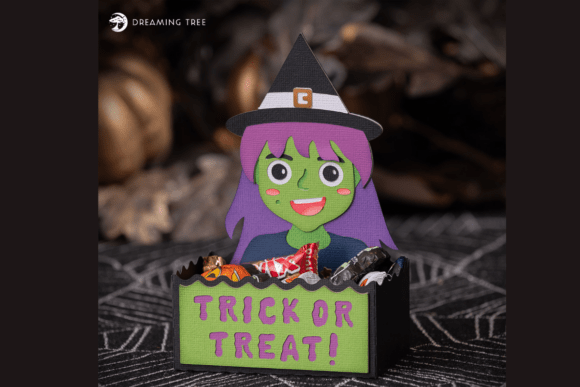
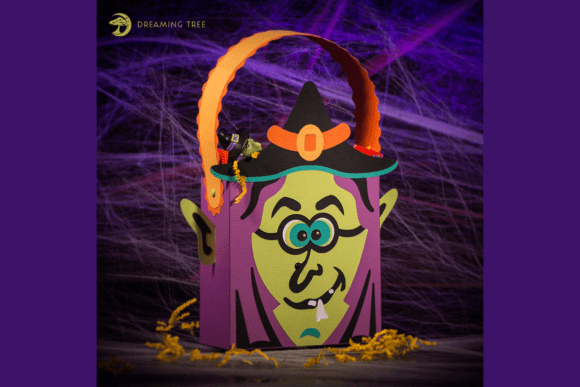
Opening the Trixi Treat Bag SVG file, the first thing I noticed was its cheerful, stylized Halloween vibe. It's a clean, bold design with a whimsical bag motif and a clear handle—perfect for seasonal embroidery work. The 3D effect gives it a pop of dimensionality that stands out without overwhelming the eye. It immediately made me think of tote bags, trick-or-treat sacks, and cozy Halloween-themed sweatshirts.
From a design standpoint, this SVG reads as a versatile seasonal asset. It's not overly complex, which is a plus for small business owners and Etsy sellers who need reliable, fast-stitching designs. The layout is balanced and symmetrical, making it ideal for centered embroidery on bags, pillows, or kids' apparel.
How It Works in Real Embroidery Projects
I tested the Trixi Treat Bag SVG on a few different fabric types and product styles to get a feel for its real-world performance. Here’s how it held up:
- Tote Bags: The design scaled well on cotton canvas and held its shape cleanly. The handle detail stitched crisply, adding visual interest without getting lost in the fabric texture.
- Sweatshirts: On fleece-backed fabric, the satin and fill stitches held up nicely. The 3D elements gave it a boutique-quality finish that Etsy buyers would appreciate.
- Baby Clothes: For a Halloween-themed onesie, I scaled it down slightly. The main shape stayed intact, but some of the finer lines became a bit soft. This is a heads-up for small hoop sizes or baby items with limited space.
- Embroidered Patches: When stitched on felt with a heat-seal backing, the Trixi Treat Bag SVG became a fun applique patch—great for seasonal gift tags, backpack charms, or boutique accessories.
Overall, the design works best when given room to breathe. It’s not a micro design, so trying to shrink it too much may compromise clarity and detail.
Where to Use It Carefully
While the Trixi Treat Bag SVG is generally user-friendly, there are a few scenarios where you’ll want to test it first:
- Small hoop sizes: If you're working with a 4x4 hoop, the full design might not fit. You may need to resize or crop elements, which could affect the visual balance.
- Stretchy fabrics: Knits and stretchy cotton blends can distort the satin stitches if you’re not using the right stabilizer. I recommend testing with a lightweight cutaway or tear-away for best results.
- Dark fabrics: The lighter thread areas—especially the inner bag—can get lost on black or deep-colored materials. Consider using a contrasting thread or adding a shadow layer for definition.
- Curved surfaces (like caps): The bag shape is fairly linear, so stitching it on a curved cap panel may distort the look. You might want to simplify or adapt the layout for curved embroidery zones.
- Frequent-wear items: Because of the detailed satin stitching, this design is better suited for occasional wear or decor items rather than heavily washed garments.
Impact on Product Presentation and Customer Appeal
As a designer who sells embroidery files and custom designs, I always look at how a machine embroidery design translates into a finished product. The Trixi Treat Bag SVG does a few important things right:
- Visual appeal: It’s festive without being too literal—great for Halloween but not locked into a specific year or trend.
- Stitch clarity: The satin and fill stitches are clean and well-placed, making it easy to stitch out consistently across different machines and thread types.
- Brand consistency: For a small shop or Etsy seller, this design can become part of a seasonal branding package—think mockups, packaging, and digital previews that tie together.
- Giftability: Whether on a tote or a tea towel, the design has that handmade charm that customers look for in personalized or boutique-style items.
One thing I noticed is that the design tends to draw attention. If you're selling embroidered Halloween items, this SVG can act as a conversation starter and increase buyer engagement—especially when used in listings with good lighting and clear mockups.
Practical Notes for Embroidery Designers
Here are a few quick tips I picked up while working with the Trixi Treat Bag SVG:
- Test on scrap fabric first: Always a good idea, but especially important with detailed satin stitching. Check how the lines hold up and whether the fill areas puff out too much.
- Check thread color contrast: The design relies on a few color zones. Make sure your thread choices don’t blend or wash out the details.
- Review stitch density: Especially in the handle and outer edges. If the density is too high, it can pucker thin fabrics.
- Confirm hoop size: Know your machine’s limitations. If you’re using a smaller hoop, see if the design can be split or simplified.
- Use proper stabilizer: Medium-weight tear-away worked best for me on cotton, while a light cutaway was better for knits.
- Test in black and white: Sometimes the design looks very different without color. This helps when creating mockups or preview images for digital product listings.
- Check licensing: Before selling any finished products or digital embroidery files that incorporate Trixi Treat Bag SVG, make sure you have the right to do so. Licensing terms can vary by marketplace.
Final Thoughts: A Seasonal Staple for Crafters and Sellers
The Trixi Treat Bag SVG is a solid addition to any Halloween-themed embroidery project lineup. It’s clean, festive, and scalable—making it ideal for a range of uses from tote bags to holiday gifts. As a designer, I appreciate how it balances visual interest with stitch efficiency, and as a seller, I can see how it would perform well in digital marketplaces and small craft shops.
Just remember to test it on your preferred fabric, review the stitch layout, and ensure it fits your hoop and project goals. With a bit of prep, the Trixi Treat Bag SVG can become a go-to design for seasonal crafting, custom apparel, and handmade product lines.